

Neal Underwood is the Director of Traffic Engineering in our Columbus, OH office and has worked with Carpenter Marty Transportation for nearly 12 years.
Early Inspiration
Neal pursued his education at Ohio Northern University, where he built a strong foundation in civil engineering. From early on, he was drawn to the tangible impact engineering can have, specifically the opportunity to design infrastructure that improves safety and quality of life for everyday users.
That desire to make a difference has carried throughout his career, motivating him to contribute to projects that benefit not only his local community but communities across the state.
Career Highlights
When reflecting on his career, Neal is most proud of being part of numerous projects that have improved the lives of people in his community and throughout Ohio. Knowing that his work contributes to safer, more efficient transportation systems is what makes the job especially rewarding for him.
WAR/MOT-75-11.56/0.00 Pavement Rehabilitation Project
Neal’s favorite project to date is CM’s WAR/MOT-75-11.56/0.00 pavement rehabilitation project. He played an integral role from the very beginning, serving as the Lead Traffic Engineer on the proposal team that successfully pursued and won the project. He has also remained heavily involved throughout the design phase. What made this project particularly meaningful was its scope. The project incorporates all major components of traffic engineering, including maintenance of traffic, signing, pavement marking, traffic signals, ITS, and highway lighting. Being able to contribute across so many disciplines made the project both challenging and professionally fulfilling. This project is still active with construction projected to start later this year and end in the summer 2029.
Life Outside of Work
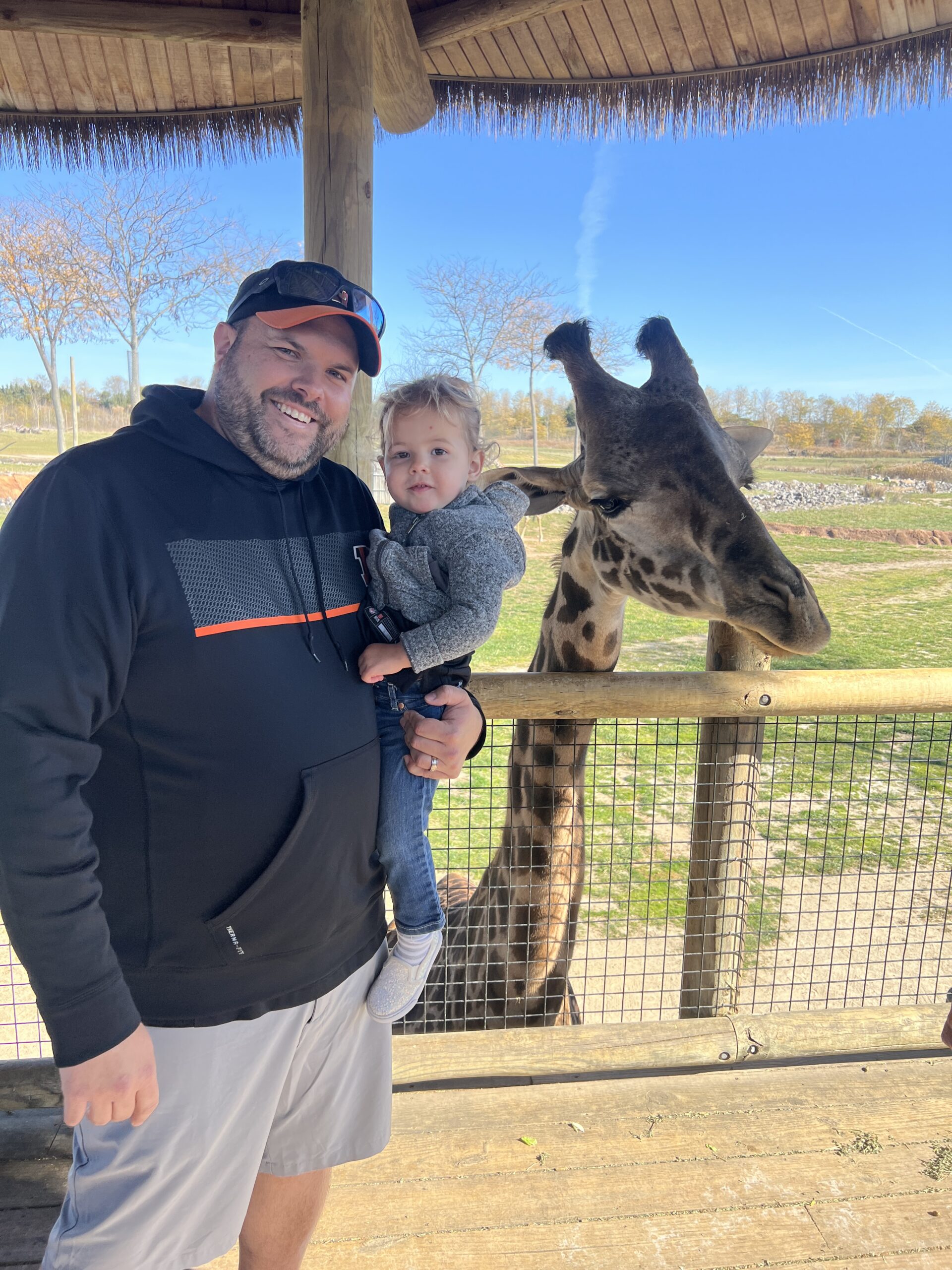
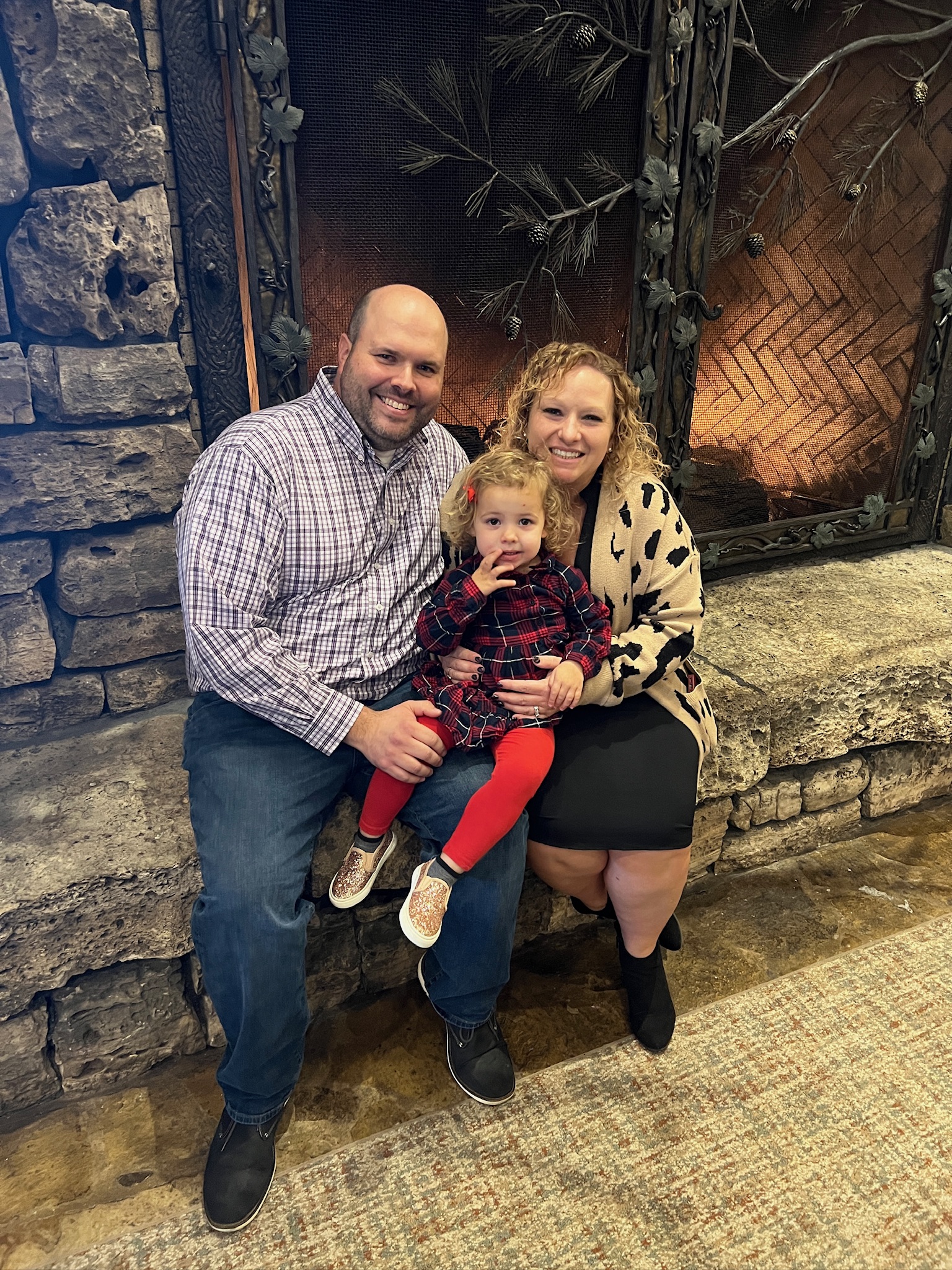
Outside the office, Neal enjoys staying active and spending time with his family. He loves golfing, watching movies, and making memories with his wife Kristin and their daughter, Sloane, whether that’s going on bike rides or visiting the zoo. Neal is also a proud dog owner and enjoys quality time with his two dogs, Lexi and Leo.
Some facts Neal’s coworkers may find surprising: Neal obviously studied engineering in college, but he also has a background in music at Ohio Northern University (ONU). He played tuba for the Ohio Northern University Marching Band for the entirety of his time at ONU. The tuba is also the only instrument that Neal learned to play.
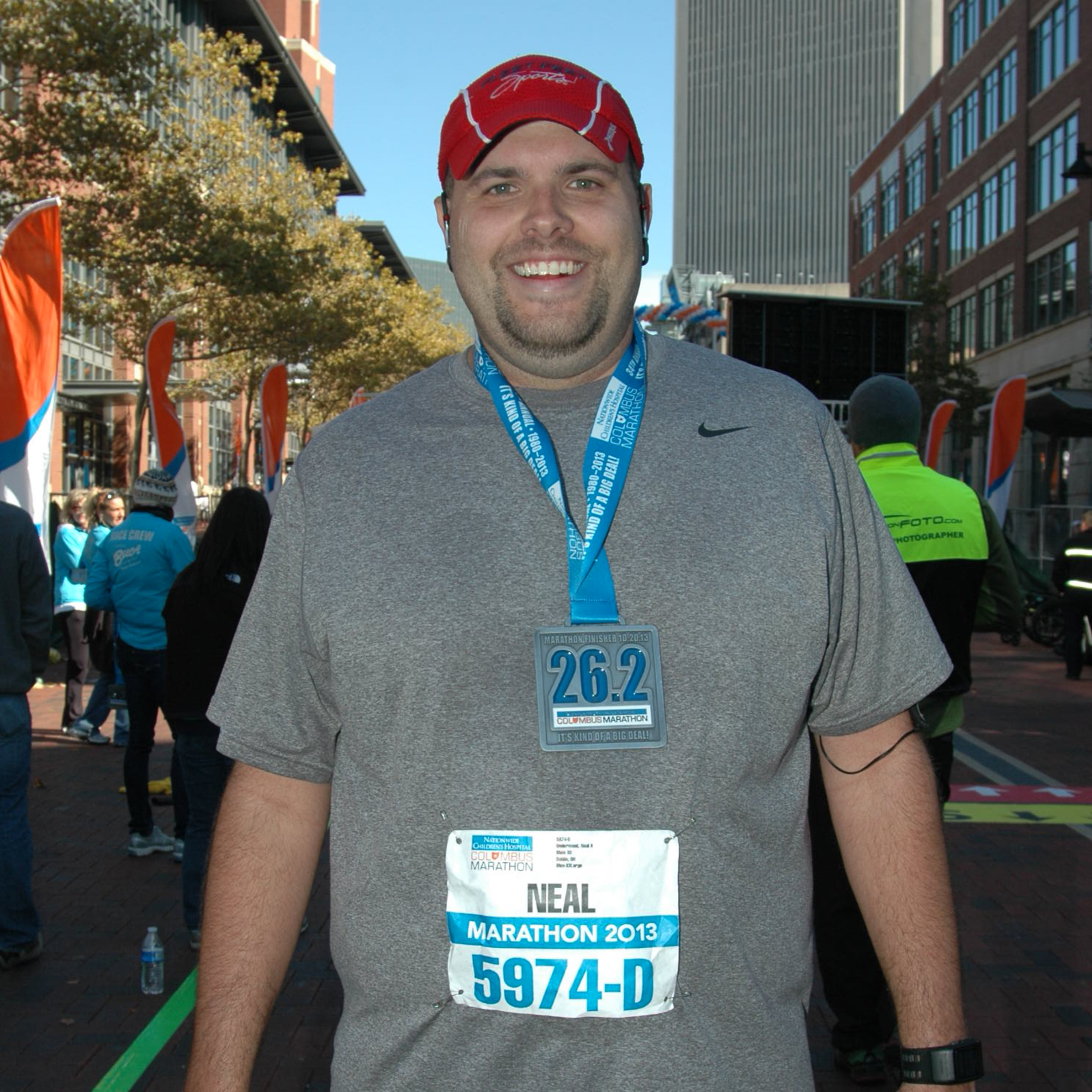
Neal also completed the Columbus Marathon in 2013. Neal originally wasn’t shooting to run a marathon stating, “When I started training my only goal was just to finish a half marathon, which I completed a year prior. Once I caught the running bug, I set my sights on completing a full marathon.” Neal followed a strict training schedule running before and after work every day and training with a local running group on top of that. “The whole process took a huge time commitment,” Neal stated, “Completing the race definitely gives you that proud, top of the world feeling despite being completely exhausted.”

Advice for Future Engineers
For those considering a career in traffic engineering, Neal offers both humor and insight. “First and foremost,” he says, “be ready to explain the safety benefits of roundabouts to your family and friends.”
He adds that traffic engineering is an excellent civil engineering path as communities continue to grow and demand safer, less congested roadways. Neal strongly encourages students to seek out traffic-focused internships, noting that they are the best way to confirm interest in the field and open doors to future employment.
“Traffic engineering teaches you unique, hands-on skills that aren’t typically covered in college like wiring traffic signals or designing highway lighting circuits,” he explains. “It’s incredibly rewarding to design infrastructure that you see and use every day.”

Previous Article
Employee Highlight: Gina BalsamoNext Article
Employee Highlight: Bryce Cook